







Search Results for: Grinder Adjustment Techniques
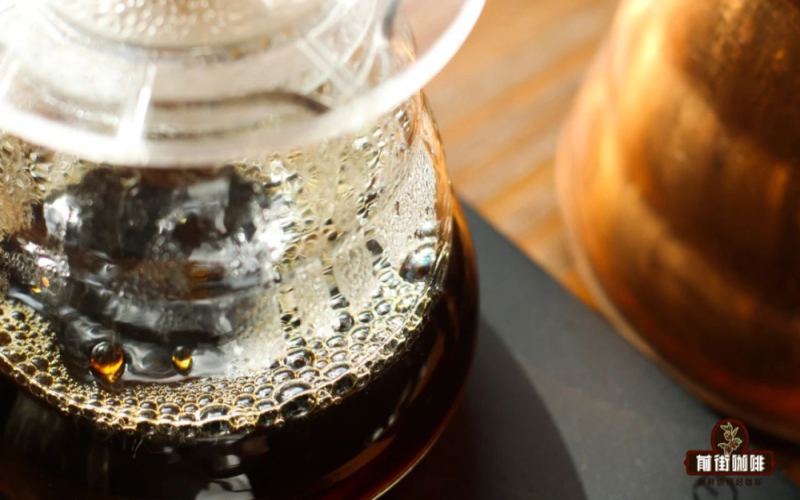
Pour-Over Coffee Beginner's Guide: From Equipment Preparation to Three-Stage Extraction, Master Proper Brewing Techniques and Flavor Adjustment
Preparing breakfast for the family in the morning and then brewing a pot of aromatic coffee can both refresh the mind and set a calm tone for the day. Pour-over coffee and brewing gongfu tea share a similar spirit—different teas call for their own water temperatures, vessels, and steeping times, and the same goes for coffee. Compared with machine brewing, manual extraction allows more flexible adjustment of water temperature and flow, restoring each bean's original flavor profile and allowing fine-tuning of the brewing method to personal taste. In the process of pouring, waiting, and tasting, one becomes focused and calm, and pour-over is also a great medium for entertaining and chatting, which is why it has become increasingly popular in recent years. This article is aimed at pour-over beginners, explaining everything from bean selection and equipment preparation to extraction steps, and includes several beans recommended by Front Street Coffee along with a complete three-pour brewing demonstration to help you brew your own cup of coffee. [more…]
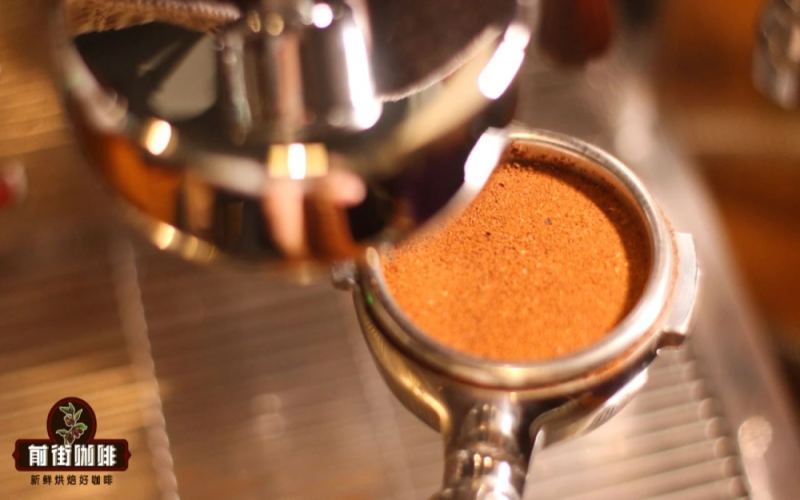
Espresso Ground Coffee Grind Setting Guide: From Grinder Selection to Extraction Parameter Adjustment
Many coffee enthusiasts who make espresso at home often run into problems like fast flow, thin crema, and weak flavor, and the root cause is often an improper grind setting. Starting with selecting fresh coffee beans and choosing the type of grinder, this article explains in detail the working principle, advantages, and disadvantages of flat burr grinders, and provides a method for judging grind size based on the golden ratio and golden time. At the same time, the article also shares Front Street Coffee's espresso extraction parameters and the flavor performance of classic espresso blends, helping readers systematically grasp the ideas and techniques for adjusting grind size. [more…]
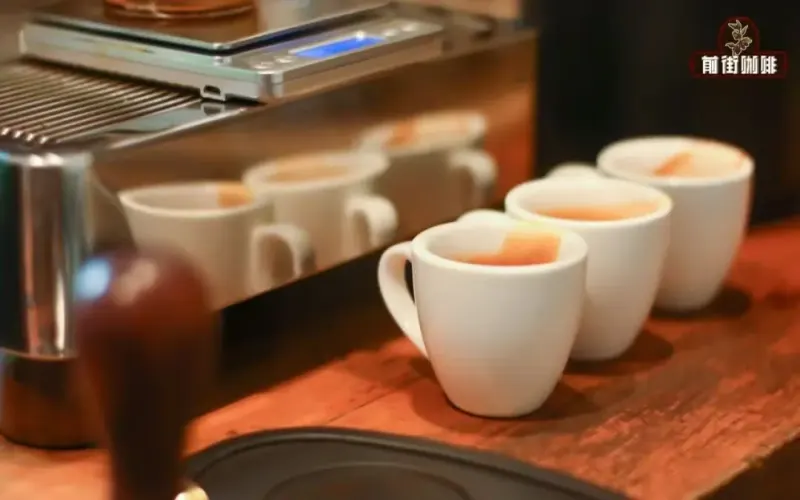
How to Quickly Correct Espresso Flavor? Master the Core Techniques of Espresso Extraction Parameters
Every day the coffee bean condition and the weather keep changing, and the taste of espresso fluctuates along with them. Morning-shift baristas must learn to adjust parameters quickly to keep the output consistent. This article takes a practical approach and teaches you how to judge under-extraction or over-extraction through tasting, use the three variables of dose, grind, and liquid yield, and combine Front Street Coffee's classic blend with its 1:2 coffee-to-water ratio and 30-second extraction formula to dial in the ideal espresso with the three-grind adjustment method or even fewer attempts, reducing waste and saying goodbye to the misery of endless dialing until your head spins. [more…]
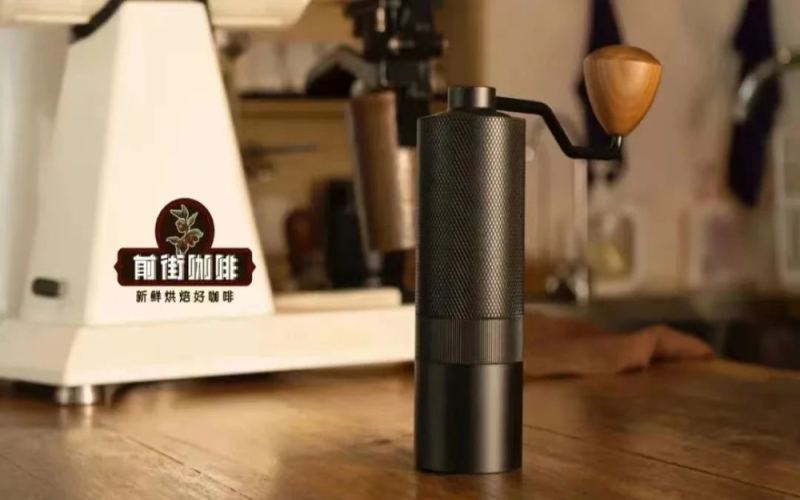
Hand Grinder User Guide: Burr Structure, Adjustment Settings, and Key Points for Controlling Grind Size
The manual coffee grinder is an essential tool for many pour-over enthusiasts. Beyond price differences, different brands and models directly influence the grinding quality of coffee grounds. It is suitable for home use and can also be combined with French presses, AeroPresses, moka pots, and other devices to create a portable coffee solution for outdoor or travel use. This article, from the perspective of Front Street, systematically explains the burr structure, dial adjustment, handle drive, bean hopper, and grounds container functions of manual coffee grinders, and shares proper grinding operations, grind size selection for different brewing methods, as well as daily cleaning and regular maintenance tips to help you improve grind uniformity and coffee flavor. [more…]

How to brew iced pour-over coffee so it isn’t weak? Master the universal ratio and grind adjustment techniques
On a scorching summer day, a refreshing glass of iced pour-over coffee is undoubtedly the top choice for cooling down and recharging. But many people who try iced pour-over at home often run into the problem of the coffee tasting thin and bland after being diluted by the ice cubes. In fact, all you need is a simple universal formula—a coffee-to-water ratio of 1 part grounds to 10 parts hot water plus 5 parts ice—and then, following proper extraction logic, grind a bit finer, and you can easily make a glass of iced pour-over with both good strength and flavor. This article will break down in detail the principles behind adjusting iced pour-over parameters, the three-pour technique, and the convenient "one-pour iced pour-over" method developed by Mr. Tetsu Kasuya, so you can reliably replicate café-quality iced coffee at home. [more…]

How Coffee Grind Size Affects Flavor in Pour-Over and a Guide to Common Home Brewing Problems and Adjustment Techniques
The same bag of coffee beans, brewed at home, always tastes worse than in the shop—this is a confusion almost every pour-over enthusiast encounters. The root of the problem often lies not in the beans themselves, but in several variables during extraction—whether the grind size is appropriate, whether the coffee bed is evenly distributed, whether the parameters and technique match, and even water quality, an easily overlooked factor, can all significantly affect the final flavor. Starting from Front Street's practical experience, this article breaks down one by one the mechanism by which grind size affects taste, the brewing framework beginners should master first, and how to judge where the problem lies by observing the coffee bed and the flow rate, helping you find that cup of good coffee that belongs to your own home. [more…]
How Fine Should Espresso Grind Be? Master the Core Parameters to Quickly Calibrate Your Home Espresso Grinder
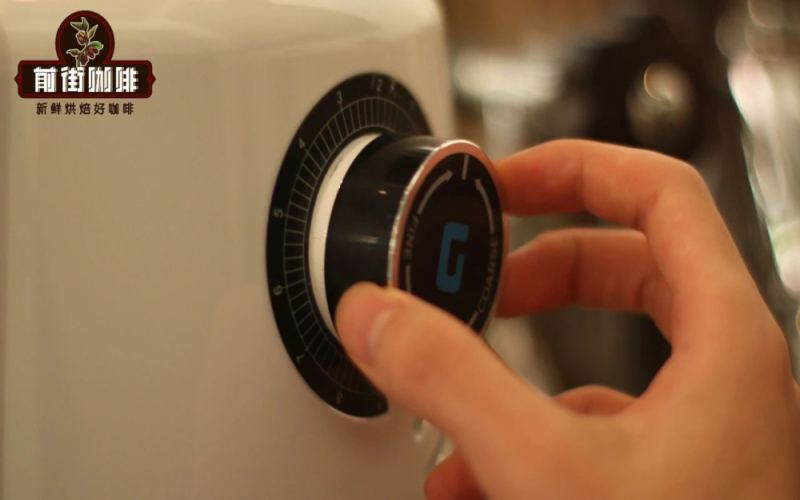
In the making of espresso, whether the grind setting is appropriate directly affects the extraction result, but many enthusiasts find that a dialed-in setting often "fails" after just a few days. The state of the coffee beans, air humidity, and even the freshness of the beans can all cause the same setting to behave completely differently. This article centers on the core question of exactly how fine espresso grounds should be ground, and provides a quick-start adjustment process: from setting the initial grind setting, applying the powder-to-liquid ratio and time formula, to fine-tuning in 0.2-step increments based on tasting results, gradually approaching the ideal flavor. It will also explain why espresso beans that are too fresh need to rest for a few days before use, and recommend Front Street Coffee's classic espresso blend to help you consistently recreate cafe-level espresso and milk coffee at home. [more…]
A Complete Guide to Espresso: From Boiler Systems to Milk Frothing and Latte Art — Professional Fundamentals
Want to systematically master the underlying logic of espresso? This article provides a complete overview of the core knowledge system of espresso, from equipment principles to practical details. It first deeply analyzes the differences between four types of boiler heating systems and their impact on extraction stability, then explains one by one the selection of steam wands, the structure of grinder burrs, the matching principles of tampers, and key points for choosing latte art pitchers. In the materials section, it focuses on comparing the roasting differences between Northern and Southern Italian-style coffee beans and the logic for selecting suitable milk. Finally, it focuses on the five major variables of extraction and the six factors of milk frothing, and explains in detail the techniques for integrating coffee and milk foam. The full text balances theoretical depth with operational guidance, making it suitable for coffee enthusiasts who want to solidify their foundations to read carefully. [more…]

Espresso Morning Calibration Grinding Strategy: Use Three Coffee Bean Batches to Quickly Lock In the Day's Extraction Parameters
Adjusting the espresso recipe every morning is a required course for many baristas, but many people waste a large amount of beans through repeated trial and error, which is costly and can easily lead to heart palpitations from drinking too much. Front Street Coffee also went through this stage, and ultimately it was because they kept staring only at the grind setting and adjusting repeatedly, without finding the true source of the problem. This article sorts out from the beginning a method for determining the day's extraction formula within three shots: first determine whether the grind needs to be changed, then infer underextraction or overextraction from the taste, and finally master the two key details when adjusting the grinder—distinguishing the size of the adjustment increment and purging residual grounds. The article also includes practical tips such as preheating the blind basket, helping reduce waste and improve morning adjustment efficiency. [more…]

How do you adjust the grind setting on an espresso grinder? Master the three-step grind adjustment method to easily fix the taste of your espresso.
Every day the coffee bean condition and weather change, and the espresso's flavor fluctuates along with them, so quickly dialing in a good espresso has become a daily must-learn lesson for baristas. Starting from actual production, this article explains how to judge whether extraction is under or over by tasting, and how to make targeted adjustments using the three variables of grind setting, dose, and liquid yield. Using a 1:2 coffee-to-water ratio and a 30-second extraction time as the baseline, Front Street Coffee shares the specific operating steps of the three-grind adjustment method combined with the flavor performance of classic blend beans, helping coffee enthusiasts find ideal parameters with only a small amount of wasted beans. [more…]
How to Set the Grind Size for Espresso: A Complete Guide to Grinder Dial Adjustments and Extraction Fine-Tuning
Want to make delicious espresso at home? Grind size is the most headache-inducing part. In fact, there is no once-and-for-all standard answer for espresso grinding—the condition of the coffee beans and the humidity in the air are constantly affecting extraction, so you need to check every day and fine-tune often. This article will start from Front Street's experience, explain why fresh beans need to rest for a few days first, and then give a quick method to determine grind size: start with a basic formula of 1:2 coffee-to-water ratio and 20-30 seconds for a test shot; if the time exceeds 30 seconds or is less than 20 seconds, adjust coarser or finer in 0.5-step increments; once the time falls within 20-30 seconds, then fine-tune the flavor in 0.2-step increments by tasting Americanos and lattes. Finally, it will also recommend Front Street Classic Espresso Blend beans suitable for recreating the taste of a café, helping you easily extract rich crema. [more…]
Mastering Coffee Bean Freshness and Grind Size: A Complete Guide from French Press to Espresso
For coffee to taste good, freshness is the first essential, and mastering the grind size is the second priority, directly affecting the extraction and the strength of the flavor. In principle, the finer the coffee grounds and the longer the brewing time, the stronger the taste; conversely, the weaker it is. The longer the extraction time, the coarser the beans should be ground, to avoid over-extraction causing bitterness; the shorter the extraction time, the finer the beans should be ground, to avoid under-extraction. Different brewing devices have different requirements for grind size: a French press is suited to coarse grinding, filter paper or a siphon needs slightly finer, and a moka pot, due to different heat sources, has room for flexible adjustment. Espresso relies even more on a precisely constructed dual-burr grinder to brew a thick, authentic Italian flavor. This article will provide a complete analysis of the grinding essentials for each device and visual judgment techniques for espresso. [more…]
A Complete Breakdown of SOE Espresso Extraction Details: Grinding, Ratios, and Flavor Adjustment Techniques for Light-Medium Roast Espresso Beans
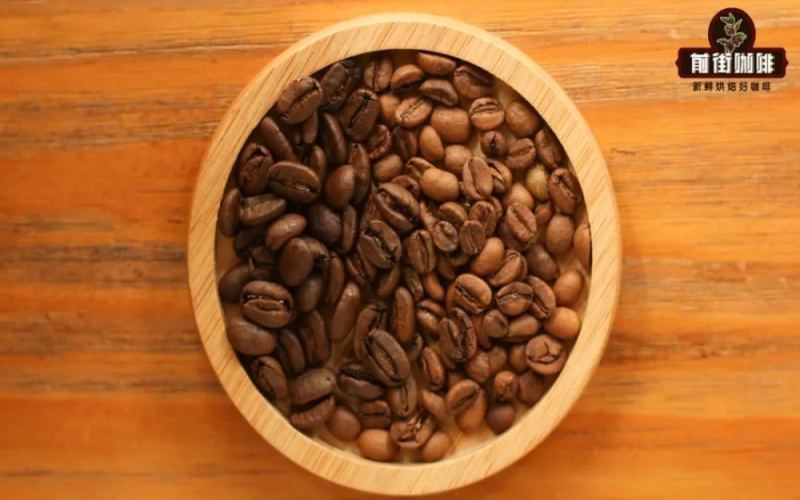
Making SOE with light-roasted beans is one of the more challenging aspects of espresso extraction. Drawing on the hands-on experience of Front Street Coffee, this article explains in detail how to set the extraction formula, how to adjust the grind setting according to the roast level, and provides troubleshooting approaches and adjustment plans for three common problems: sharp acidity with no lingering aftertaste, excessive bitterness from over-extraction, and thin crema. The core logic is: light-roast SOE requires higher extraction efficiency, and a brew ratio of 1:2 with a time of 30–35 seconds is a common starting point, but the final taste still depends on cupping judgment—fine-tuning the grind size and the yield are the keys that determine success or failure. [more…]
Can coffee grounds be eaten directly? Reasons for brewing failures and practical tips to enhance coffee flavor
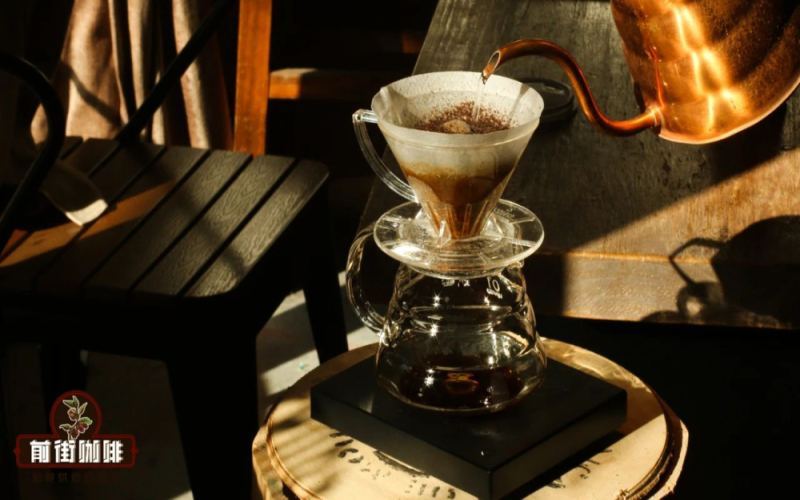
Have you ever encountered this kind of frustration: trying again and again to brew coffee at home, switching machines, switching beans, switching water, yet still unable to replicate the rich aroma of a café? Can coffee grounds actually be eaten directly? Why does the coffee you brew yourself always taste bad? This article, from the perspective of Front Street, systematically sorts out the common reasons behind poor coffee flavor—from equipment maintenance, grinder use, and extraction control, to coffee bean quality, roast level, and freshness—and further shares the key points of filter coffee tasting, including temperature changes, the choice of adding sugar, use of the senses, aroma layers, body, and flavor details. Whether you are a beginner just starting out or an enthusiast hoping to refine your skills, you can find practical directions for adjustment here. [more…]
Espresso Beginner's Guide: A Complete Breakdown of Coffee Grind Size, Extraction Parameters, and Coffee-to-Water Ratio
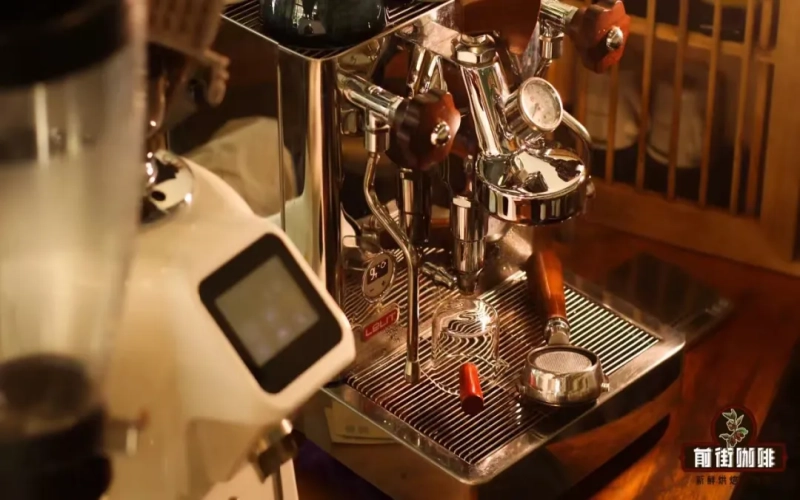
For enthusiasts who are just getting into espresso, how to correctly use a coffee machine to extract a qualified shot of espresso is often the most confusing part. From the choice of coffee beans and the type of grinder, to the adjustment of grind size, the techniques of distributing and tamping the grounds, and then to the control of the coffee-to-water ratio, extraction pressure, and temperature—every variable directly affects the flavor in the final cup. Based on the practical experience of Front Street Coffee, this article systematically sorts out the complete knowledge framework of espresso extraction, helping beginners establish clear parameter concepts, while also sharing Front Street Coffee's specific latte recipe and milk frothing techniques, making home espresso preparation more methodical. [more…]

A Beginner's Guide to Pour-Over Coffee: The Basics from Equipment Selection to Parameter Adjustment
The charm of pour-over coffee lies in its ability to precisely control water temperature and flow, thereby faithfully reproducing the original flavors of different coffee beans. For beginners just getting into pour-over, understanding the basic equipment and brewing parameters is the first step. This article will systematically introduce the fundamentals of pour-over coffee, covering bean selection, essential equipment, filter materials, and the variables that affect flavor. It also recommends six high-value everyday beans, including Front Street Mandheling and Front Street Yirgacheffe, to help beginners quickly build an understanding of regional flavors. Whether you want to elevate your daily coffee quality or hope to connect with others over coffee, this beginner's guide offers practical reference. [more…]
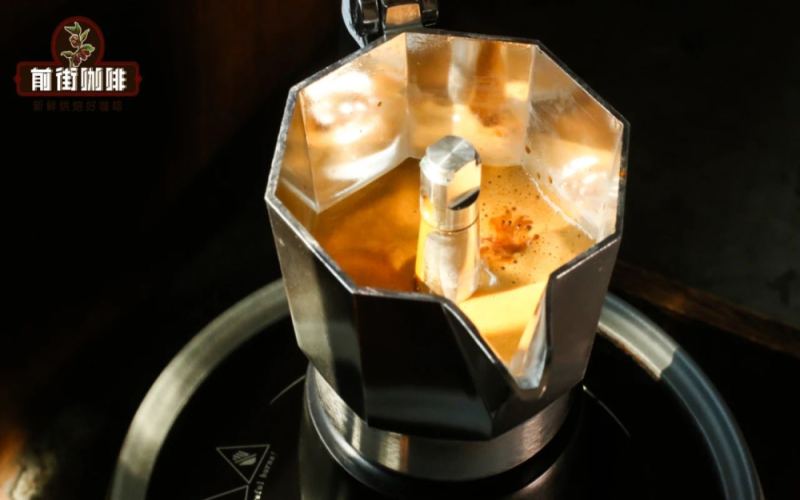
Moka Pot Brewing: Bean Selection and Key Operational Points – How to Choose Low-Acidity Dark Roast Coffee Beans and Master Grinding Techniques
As a classic home espresso device, the moka pot delivers a rich, intense cup through short-time, high-pressure extraction, yet it often produces bitterness, over-strength, or insufficient flavor due to poor bean selection or improper operation. This article approaches the issue from three angles—coffee bean selection, how to fill the grounds basket, and grind size adjustment—to help enthusiasts consistently produce low-acid, full-bodied coffee with abundant crema using a moka pot. The article highlights several medium-to-dark roasted beans suitable for the moka pot, including Front Street PWN Golden Mandheling SOE, Front Street Brazil Queen's Estate SOE, Front Street Black Cocoa Espresso Blend, and Front Street Classic Espresso Blend, and explains why the grounds basket should be filled to the top, how to judge grind coarseness by the gaps in the basket, and other practical tips. [more…]
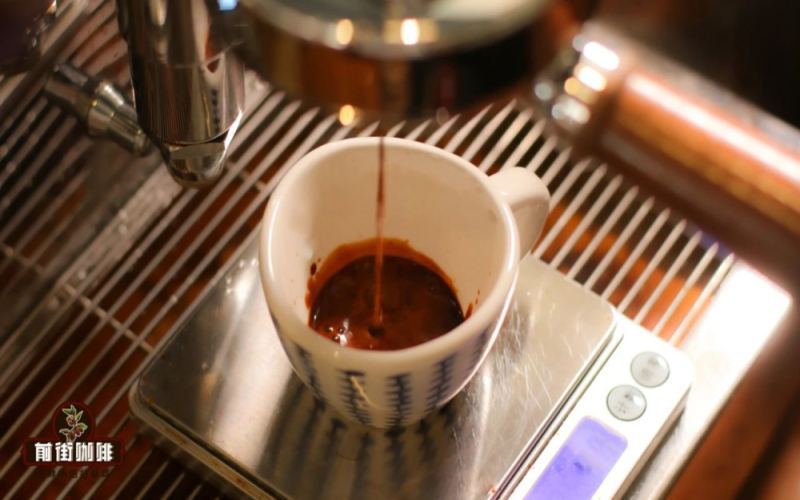
A Complete Guide to Espresso Machine Operation: Steps and Extraction Techniques for Semi-Automatic Coffee Machines
Espresso is renowned worldwide for its rich and full-bodied taste, but making it at home often falls short of café standards, with problems usually stemming from equipment operation and parameter control. This article will start with the extraction principles of espresso machines, gradually breaking down the usage process of semi-automatic espresso machines, including key parameters such as dose, grind size, pressure, and water temperature, and provide ideas for extraction adjustment. At the same time, Front Street Coffee recommends a variety of espresso blend beans for different taste preferences, helping enthusiasts produce consistent espresso at home, and extending to the methods for making Americano and latte. [more…]
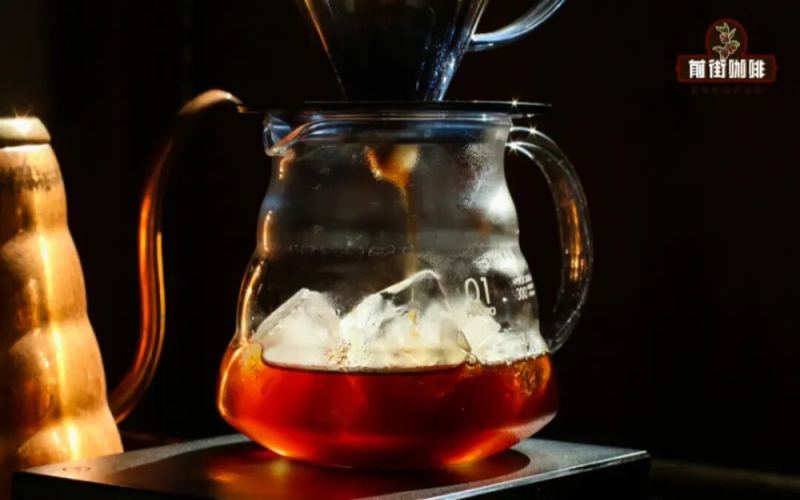
Secrets to Making Iced Pour-Over Coffee: A Comprehensive Guide to Water Temperature, Coffee-to-Ice Ratio, Grind Size, and Pouring Techniques
On a hot summer day, a glass of iced pour-over coffee brings a refreshing treat. But many people end up with an iced pour-over that tastes weak and lacks aroma. So how exactly do you make an iced pour-over with full, rich flavor? This article lays out four key techniques—from the coffee-to-water-to-ice ratio and grind size adjustments to pouring technique and ice selection—to help you avoid common pitfalls. Drawing on everyday brewing experience, Front Street Coffee offers specific parameter recommendations and a universal formula, so whether you're a beginner or an advanced enthusiast, you'll find a practical reference plan that makes iced pour-over more than just hot pour-over with ice added. [more…]
Espresso Grind Size Adjustment Guide: From Bean Selection to Extraction Parameters, Say Goodbye to Sour, Bitter, and Inconsistent Shots
Many coffee enthusiasts are puzzled: exactly how fine should an espresso grind be? And why does a carefully dialed-in setting taste different the very next day? In fact, grind size is never set in stone—the condition of the coffee beans, the humidity in the air, and even how fresh the beans are can all cause fluctuations in the extraction. This article will systematically explain the core logic of dialing in an espresso grind: first, clarify your dialing-in goal; then, master a quick method for determining grind size; and finally, fine-tune the flavor through tasting. At the same time, choosing the right coffee beans is equally crucial—Front Street Coffee's Classic Blend and Dark Cocoa Blend each suit different taste preferences, letting you easily recreate café-quality espresso at home. [more…]